You’re Breathing Delhi’s Air… But It’s Quietly Harming Your Fertility!
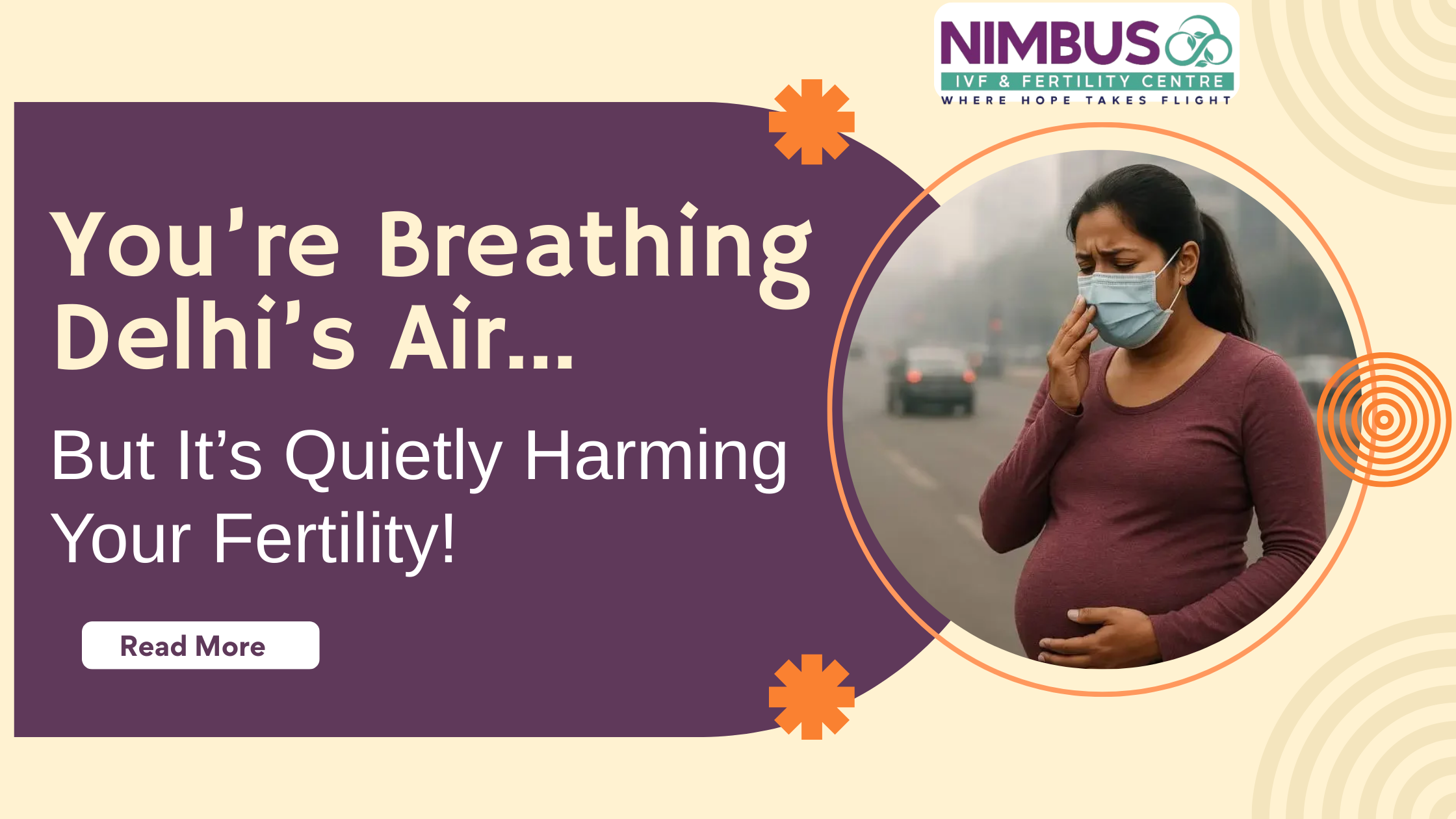
Air pollution in Delhi and the NCR Best IVF Center in greaterregion has become a serious public health concern. Best IVF Center in greater While most people associate polluted air with respiratory or heart problems, fewer realize that long-term exposure to toxic air can also silently affect reproductive health. According to Dr. Aparna Dadwal, fertility challenges are increasingly being linked to environmental factors—especially air pollution.
At a trusted Best IVF Center in greater Noida, patients are now being counseled not only about medical causes of infertility but also about lifestyle and environmental risks that may reduce their chances of conception.
How Delhi’s Air Pollution Affects Fertility
Delhi’s air often contains dangerously high levels of PM2.5, PM10, nitrogen dioxide, sulfur dioxide, and heavy metals. These microscopic particles enter the bloodstream through the lungs and cause oxidative stress and hormonal disruption—two major enemies of fertility.
Impact on Female Fertility
In women, air pollution can interfere with the delicate hormonal balance required for ovulation and implantation. Studies suggest that prolonged exposure to polluted air may:
● Disrupt menstrual cycles
● Reduce ovarian reserve
● Affect egg quality
● Increase the risk of implantation failure and miscarriage
Women undergoing fertility treatment at a Best IVF Center in greater Noida are often advised to minimize exposure to polluted environments, especially during ovulation stimulation and embryo transfer phases.
Impact on Male Fertility
Air pollution also plays a significant role in declining male fertility. Toxic particles can reduce sperm count, motility, and morphology. Exposure to pollutants has been linked to increased DNA fragmentation in sperm, which lowers fertilization rates and embryo quality.
At a Best IVF Center in greater Noida, male fertility evaluation is given equal importance, as environmental exposure affects both partners.
Why Fertility Problems Are Rising in Urban Areas
Urban lifestyles combined with environmental pollution are creating a perfect storm for reproductive health issues. Stress, sedentary habits, poor diet, and constant exposure to polluted air together increase infertility risks.
Patients visiting a Best IVF Center in greater Noida often express surprise when they learn that environmental factors may be contributing to unexplained infertility—where all medical reports appear normal.
Can Air Pollution Affect IVF Success?
Yes. Air pollution can influence IVF outcomes by affecting egg quality, sperm health, embryo development, and even implantation. Some studies show that higher pollution levels during IVF cycles may lower pregnancy success rates.
This is why experienced specialists like Dr. Aparna Dadwal emphasize a holistic approach to fertility treatment. At a Best IVF Center in greater Noida, patients receive guidance on environmental protection along with advanced reproductive technologies.
How to Protect Your Fertility in a Polluted Environment
While it’s impossible to completely avoid air pollution in Delhi NCR, certain steps can help reduce its impact on fertility:
● Use high-quality indoor air purifiers
● Limit outdoor exposure during high pollution days
● Wear protective masks when pollution levels are severe
● Maintain a diet rich in antioxidants
● Stay hydrated and exercise indoors
● Seek early fertility evaluation if planning pregnancy
Couples consulting a Best IVF Center in greater Noida are often advised to adopt these protective measures alongside medical treatment.
When Should You See an IVF Specialist?
If you’ve been trying to conceive for over a year (or six months if the woman is over 35), or if you live in a high-pollution area and have concerns about fertility, it’s wise to consult a specialist early.
Dr. Aparna Dadwal focuses on personalized fertility care, combining advanced diagnostics, IVF, and lifestyle counseling. This comprehensive approach is what defines a Best IVF Center in greater Noida—addressing both visible and invisible factors affecting fertility.
Conclusion
You may not feel it, but every breath of polluted air can quietly impact your reproductive health. Delhi’s air pollution is no longer just an environmental issue—it is a fertility concern. Awareness, early intervention, and expert medical guidance can make a significant difference.
If you are planning a family or facing fertility challenges, consulting an experienced specialist at a Best IVF Center in greater Noida can help you overcome both medical and environmental hurdles and move closer to your dream of parenthood.
FAQs
Q1. Can air pollution really affect fertility?
Yes, long-term exposure to air pollution can impact hormone balance, egg quality, sperm health, and overall reproductive function.
Q2. Does pollution reduce IVF success rates?
Research suggests that high pollution levels may negatively influence IVF outcomes by affecting gamete and embryo quality.
Q3. Can fertility improve after reducing pollution exposure?
Reducing exposure and improving lifestyle habits can support reproductive health and enhance treatment outcomes.
Q4. Should couples in Delhi NCR get fertility testing earlier?
Yes, couples living in high-pollution areas may benefit from early fertility evaluation at a Best IVF Center in greater Noida.
Q5. Where can I get expert fertility guidance in Greater Noida?
You can consult Dr. Aparna Dadwal at a Best IVF Center in greater Noida for personalized, science-backed fertility care