Poor Sleep, Poor Fertility? What Science Says
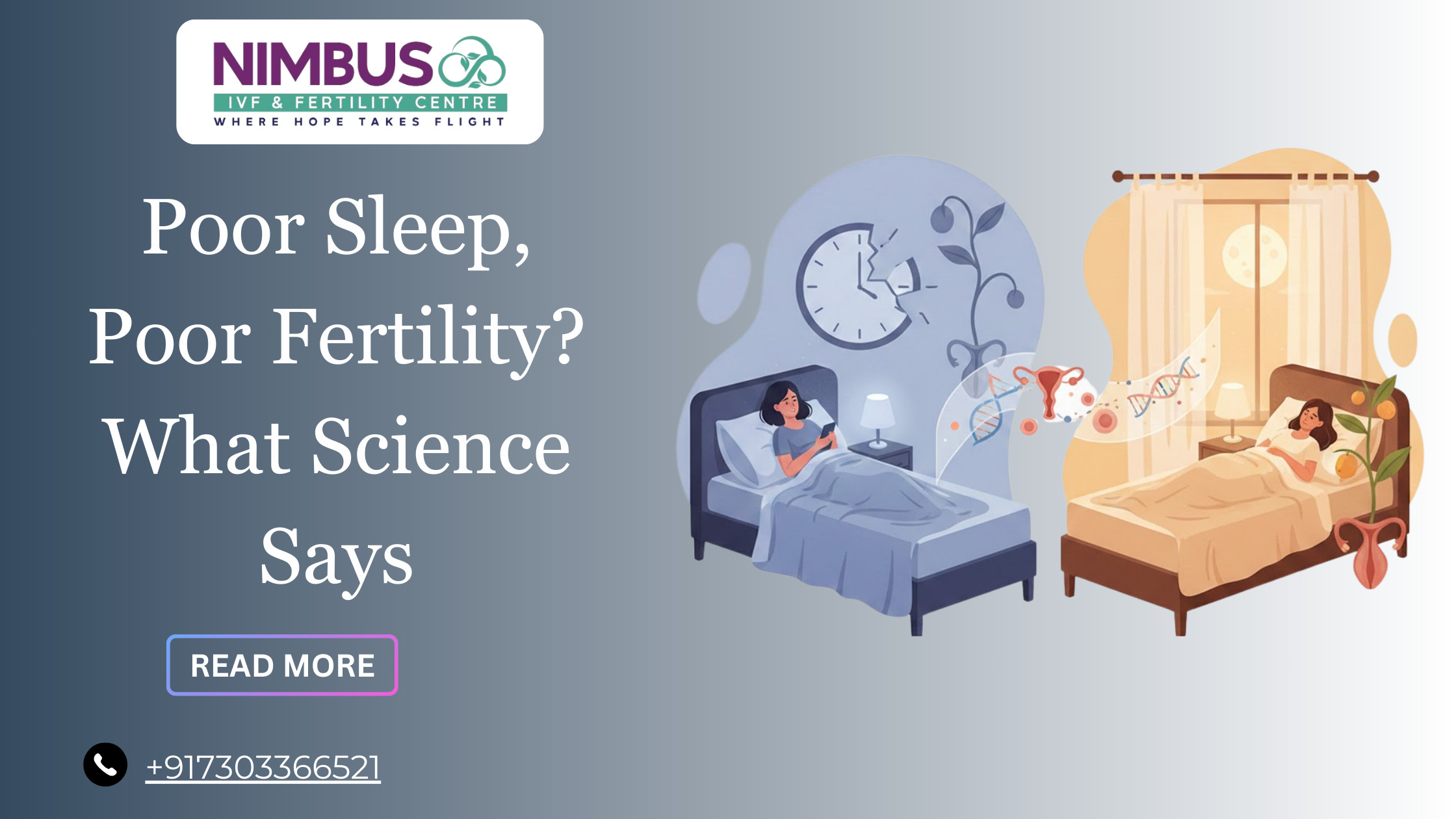
In today’s fast-paced lifestyle, sleep is often the first thing people compromise. Late nights, screen exposure, work stress, and irregular routines have made poor sleep a common problem Best IVF Doctor in Greater Noida . What many don’t realize is that sleep quality plays a critical role in reproductive health. Scientific research increasingly shows a strong connection between poor sleep and reduced fertility in both women and men.
This blog explains the science behind sleep and fertility in a clear, professional, and educational way—helping healthcare readers and patients understand why sleep should never be ignored when planning for pregnancy.
Why Sleep Matters for Reproductive Health
Sleep is not just rest—it is a biological repair process. During deep sleep, the body regulates hormones, repairs tissues, and balances the nervous system. Reproductive hormones such as estrogen, progesterone, testosterone, luteinizing hormone (LH), and follicle-stimulating hormone (FSH) are closely linked to sleep cycles.
When sleep is poor or irregular, hormonal communication between the brain and reproductive organs becomes disrupted. This is where fertility challenges may begin—even if other health markers seem normal.
The Hormonal Connection Between Sleep and Fertility
1. Melatonin and Reproduction
Melatonin, known as the sleep hormone, also protects eggs and sperm from oxidative stress. Low melatonin levels due to poor sleep or excessive nighttime light exposure may reduce egg quality and impair ovulation.
2. Cortisol and Stress
Sleep deprivation increases cortisol levels. Chronic high cortisol interferes with ovulation, sperm production, and implantation. Stress-related sleep loss can silently affect fertility without obvious symptoms.
3. Disrupted Ovulation and Menstrual Cycles
Poor sleep can alter the timing and quality of ovulation. Even individuals with regular cycles may experience hormonal fluctuations that affect conception.
These mechanisms explain why fertility specialists increasingly emphasize sleep optimization as part of treatment—especially when guided by the Best IVF doctor in Greater Noida.
How Poor Sleep Affects Female Fertility
In women, insufficient or poor-quality sleep has been linked to:
- Irregular or weak ovulation
- Reduced progesterone levels
- Increased risk of hormonal imbalance
- Higher chances of implantation failure
Shift work, night duties, and chronic insomnia have been shown in studies to reduce natural fertility rates. Even during assisted reproduction, sleep quality influences IVF outcomes.
Under the care of the Best IVF doctor in Greater Noida, sleep assessment is often considered an important but overlooked factor in fertility planning.
Impact of Poor Sleep on Male Fertility
Sleep affects male fertility just as significantly. Scientific evidence shows that men who sleep less than 6 hours regularly may experience:
- Lower testosterone levels
- Reduced sperm count and motility
- Increased sperm DNA damage
Since sperm production follows a hormonal rhythm tied to sleep, disrupted sleep can directly affect semen quality—sometimes without noticeable health complaints.
Sleep and IVF Success: What Research Shows
Multiple studies suggest that individuals undergoing fertility treatments with better sleep patterns have:
- Improved hormonal response
- Better egg and embryo quality
- Higher implantation and pregnancy rates
This is why lifestyle counseling, including sleep hygiene, is often recommended alongside medical treatment by the Best IVF doctor in Greater Noida. Fertility care today goes beyond procedures—it focuses on optimizing the body for success.
Common Sleep Issues That Affect Fertility
- Chronic insomnia
- Late-night screen exposure
- Irregular sleep schedules
- Sleep apnea
- High stress and anxiety
These conditions may not cause immediate illness but can quietly interfere with reproductive hormones over time.
Improving Sleep to Support Fertility
Simple but consistent changes can significantly improve sleep and reproductive health:
- Maintain a fixed sleep and wake time
- Limit screen use before bedtime
- Create a dark, quiet sleep environment
- Manage stress through relaxation techniques
- Seek medical advice if sleep issues persist
When combined with expert fertility care, these steps can enhance natural and assisted conception outcomes.
Key Takeaway
So, poor sleep can indeed mean poor fertility—and science strongly supports this link. Sleep affects hormones, ovulation, sperm quality, and even IVF success rates. Ignoring sleep health may delay conception, even when medical treatment is available.
For individuals planning pregnancy or facing fertility challenges, addressing sleep should be part of a comprehensive approach. Consulting the Best IVF doctor in Greater Noida ensures that both medical and lifestyle factors—including sleep—are evaluated for the best possible outcomes.
Healthy sleep is not optional; it is a foundation for reproductive health.
FAQs: Poor Sleep and Fertility
1. Can poor sleep really affect fertility?
Yes, poor sleep disrupts reproductive hormones and can reduce fertility in both men and women. The Best IVF doctor in Greater Noida often emphasizes sleep health during fertility planning.
2. How many hours of sleep are ideal for fertility?
Most adults need 7–8 hours of quality sleep for proper hormonal balance. The Best IVF doctor in Greater Noida recommends consistent sleep schedules.
3. Does poor sleep affect IVF success?
Yes, poor sleep can impact hormone response and implantation. Many patients are advised by the Best IVF doctor in Greater Noida to improve sleep habits during IVF.
4. Can improving sleep naturally boost fertility?
Better sleep supports hormone regulation and egg or sperm quality. This holistic approach is supported by the Best IVF doctor in Greater Noida.
5. When should I seek medical advice for sleep-related fertility issues?
If sleep problems persist while trying to conceive, professional guidance is advised. Consulting the Best IVF doctor in Greater Noida can help address both sleep and fertility concerns.